Why the ground here matters
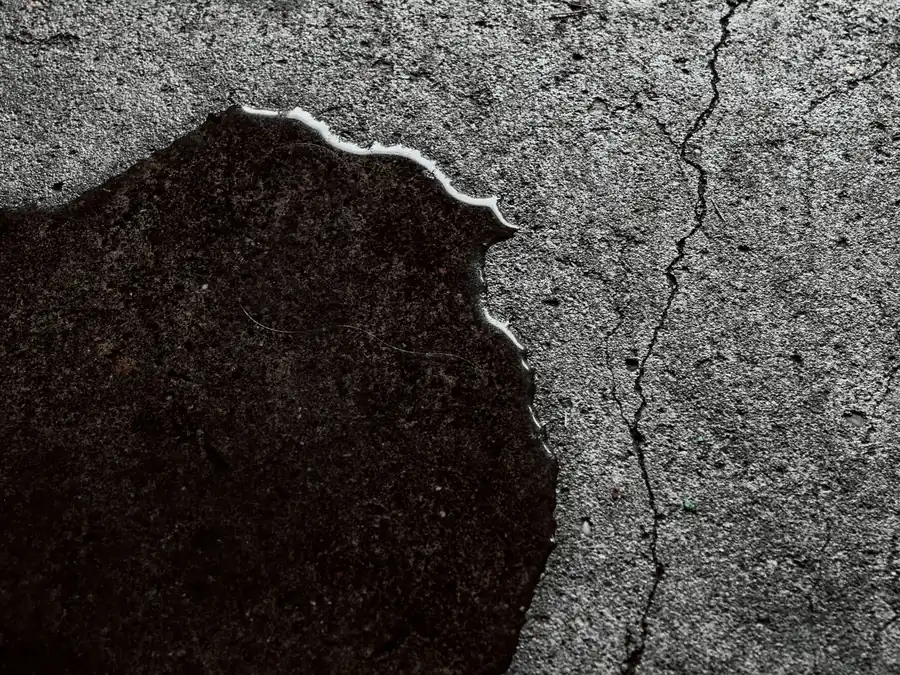
Dallas sits in the Blackland Prairie, and the USDA describes the clay soils there as black and very high in shrink and swell. The best known is Houston Black clay, the Texas state soil, which covers about 1.5 million acres of the Blackland Prairie from north of Dallas down to San Antonio. According to the USDA soil survey, when it dries out it opens cracks from half an inch to 4 inches wide that run a foot deep or more, and those cracks stay open a total of 90 to 150 days in most years. Then it rains and the clay swells shut again. The USDA notes that this shrink and swell commonly limits building where the soil runs under a city.
A slab sits on top of that, and the supply and drain lines are cast into it or buried under it, so the ground moving under the house can stress them. A leak can also wet the clay in one spot while the soil around it stays dry.
Signs to watch for
- A warm or hot patch on tile, wood or bare concrete. That often means a hot water line.
- Water running somewhere when every faucet and appliance is off.
- A water bill that keeps going up while your habits haven't changed.
- Carpet that stays damp, hardwood that cups, or laminate that lifts with no leak in sight.
- A water heater that seems to run all the time.
- New cracks in the floor or brick, or doors that suddenly stick.
The water meter test
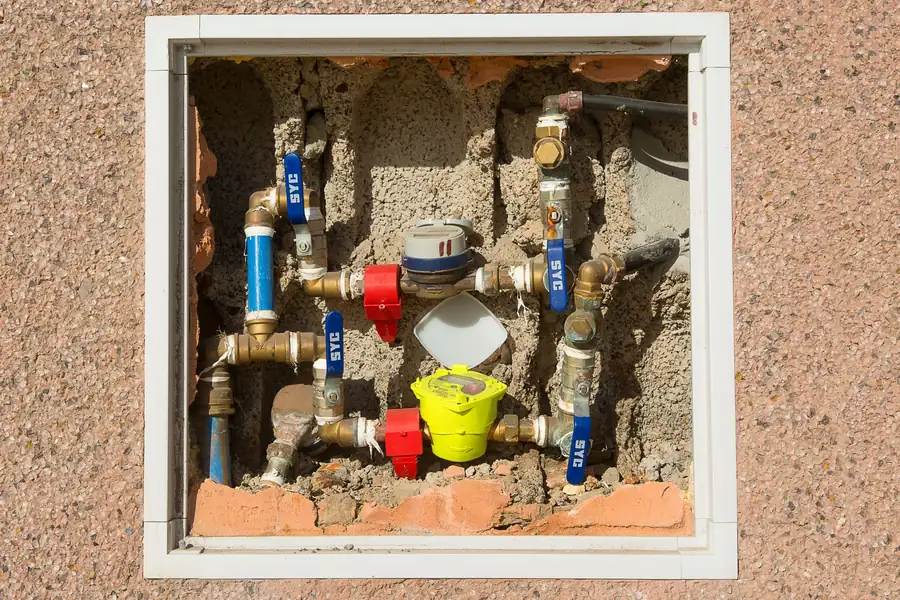
This takes about 15 minutes and costs nothing. Turn off every faucet and anything that uses water, including the ice maker and sprinklers. Lift the lid on the meter box, usually near the street, and look at the leak indicator, a small triangle or dial on the meter face. Wait 10 to 15 minutes without using any water and check it again.
If it moved, water is going somewhere. Next, close the shutoff valve at the house and repeat. If the meter stops, the leak is inside the house. If it keeps turning, the leak may be in the yard line between the meter and the house. A running toilet will also move the meter, so check those first. Either way it is time for a plumber with leak detection gear.
Fixing it, then drying it
A slab leak is two jobs. The plumber finds and fixes the pipe, either by opening the slab right at the leak, tunneling under it, or rerouting the line through the walls or attic and leaving the old one in place. The restoration company deals with the water that already got out: pulling up wet flooring where it has to come up, drying the slab and the bottom of the walls, and checking behind baseboards for mold.
Get the leak located exactly before anyone breaks concrete, because guessing wrong means a second hole in your floor. And don't let new flooring go down over a slab that still reads wet.
If your house is on pier and beam
Older houses on piers don't have slab leaks, but they have their own version. A supply or drain line leaks in the crawl space, the water soaks the dirt around the piers, and the air under the floor stays damp. Watch for a musty smell, floors that feel soft or bouncy, or standing water you can see through a foundation vent. Drying has to include the crawl space itself.
Insurance note: TDI says most policies cover sudden water damage but not gradual leaks, and lists damage to foundations or slabs as optional coverage. Ask your insurer three things in writing: is the cost to reach the pipe covered, is the water damage covered, and is foundation damage covered? More on the insurance claims page.
Sources: USDA soil series, Houston Black, USDA ecological site, Blackland Prairie clay, TWDB, Houston Black state soil, TDI, water damage and mold coverage, TDI home insurance guide. Checked .
Questions Dallas homeowners ask
How do I know if I have a slab leak?
Common signs are a warm spot on a hard floor, the sound of running water when nothing is on, a water meter that keeps moving with everything off, a jump in the water bill, and damp carpet or baseboards with no leak you can see. None of those prove it on their own. A plumber with leak detection equipment can.
Does homeowners insurance cover a slab leak in Texas?
It depends on your policy. TDI says most policies cover sudden and accidental water damage but not gradual leaks, and its home insurance guide lists damage to foundations or slabs among the optional coverages you can add. Ask your insurer separately about the cost of reaching the pipe and about the water damage it caused.
Why do Dallas houses get so many slab leaks?
Dallas sits in the Blackland Prairie, where the clay soils shrink and crack in dry weather and swell when they get wet. The USDA says that shrink and swell commonly limits building in cities on this soil. Pipes in and under a slab sit on top of that movement.