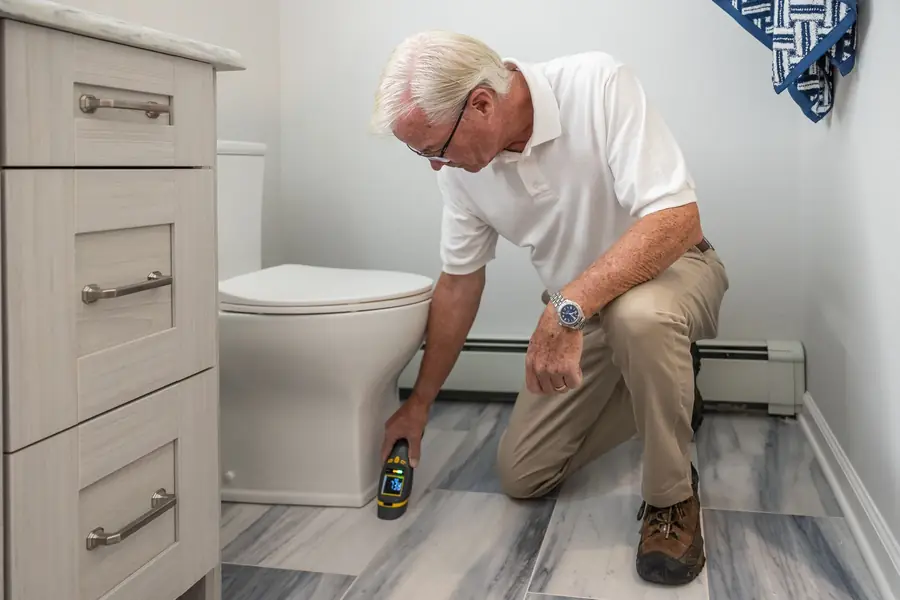
First, stop sending water down the drains
When sewage comes up through a shower drain or a toilet, the blockage is somewhere below that fixture. Every flush, every load of laundry and every running faucet in the house pushes more water toward it. Stop using water everywhere until you know where the clog is, and switch off the dishwasher or washer if one is running.
Then protect the people in the house. Anyone going near the mess needs goggles plus rubber gloves and boots, per the CDC, and kids and pets should stay out of that part of the house until the cleanup is done. The EPA's flood cleanup guidance adds that children and pregnant people shouldn't take part, and neither should anyone with asthma or a weakened immune system.
- Stay out of the water if it is anywhere near outlets, cords or a plugged in appliance.
- Take photos and video of the drain it came from, the floor, the walls and everything that got wet. Your insurer will ask for them.
- Open a window if you can reach one without walking through the mess.
Is it your drain or the city's sewer?
That tells you whether you need a plumber or the city. A few clues help you guess before anyone arrives:
- One fixture backs up and the rest drain fine. The clog is probably in that fixture's own drain.
- The lowest drains in the house back up first, often a shower or tub, and toilets gurgle when you run water somewhere else. That points to the main drain line leaving the house.
- Your neighbors are backing up too, or sewage is coming out of a manhole in the street or alley. That points to the city's sewer main.
Dallas Water Utilities lists a clogged or overflowing wastewater main among the emergencies it handles 24 hours a day. Inside the city limits you report it by calling 311. From outside the city limits, DWU gives 214-670-3111. A clog in your own drain line is a job for a licensed plumber.
Heavy rain can back up the sewer too
On May 1, 2025, the City of Dallas reported sewer overflows at several locations after heavy rain. DWU said they were mainly caused by inflow and infiltration, which means stormwater getting into the wastewater pipes. The city told residents to avoid contact with waste material, soil or water in the affected areas, and to bathe and wash their clothes thoroughly if they were exposed.
So a backup that starts in the middle of a storm may have nothing to do with your own pipes. Report it to 311 and mention the rain.
What has to come out
Sewage is the dirtiest water a restoration crew deals with. HomeAdvisor's cost guide puts sewage backups from drains and septic systems under black water, its most expensive category to clean up.
The CDC's guidance on porous materials is blunt: drywall and insulation that sewage or floodwater touched should be torn out and thrown away, along with anything that can't be cleaned and dried fast. The EPA says the same about materials that soak up a lot of water and can't be cleaned and dried. In most houses that means wall to wall carpet and pad, the bottom of the drywall, the insulation behind it, and upholstered furniture that sat in the water.
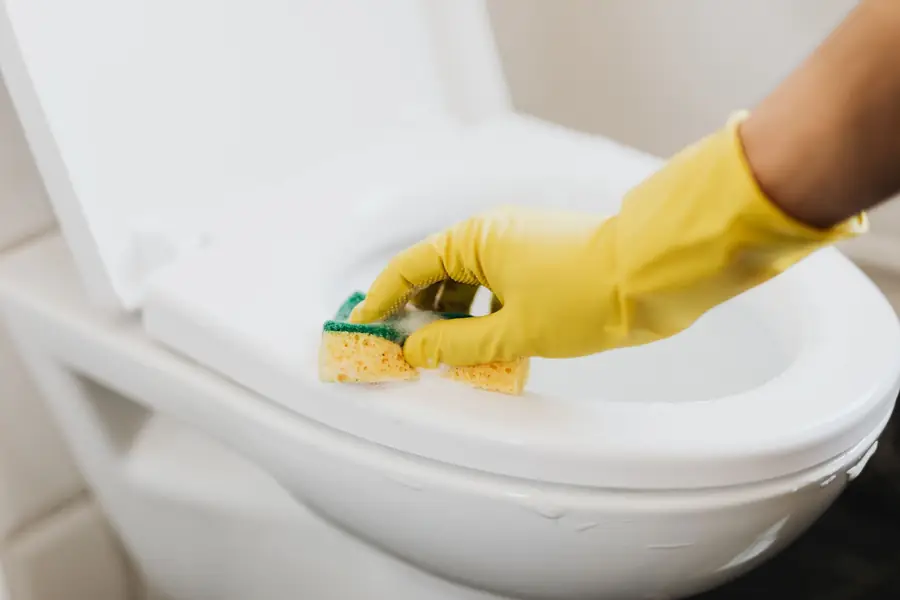
Hard surfaces can usually be saved. Tile, porcelain and sealed concrete get scrubbed and disinfected. For a disinfecting cleaner, the CDC says to mix 1 cup of household bleach with 1 gallon of water, and never to mix bleach with ammonia or any other cleaner. Wash everything you wore during cleanup in hot water and detergent.
Slab houses and pier and beam houses
Where the sewage ends up depends on what the house sits on. On a slab, the drain lines run in or under the concrete. A backup comes up through the lowest fixture and spreads across the floor, and it can wick into the bottom of the walls or run under laminate and wood flooring. Ask whoever does the cleanup to check under the flooring and behind the baseboards, not just the wet spots you can see.
Older Dallas houses raised on piers have their drain lines in the crawl space. A cracked or separated drain line down there can leak sewage onto the dirt under the house for a long time before anyone notices the smell. Cleaning that up means working under the house, on the joists and subfloor, not only in the rooms above. The pier and beam section of our slab leak page explains how those houses leak.
Keep grease out of the kitchen sink
Dallas Water Utilities says grease washed down the sink can block both city sewer lines and homeowner pipes, and that can mean property damage and foul odors. Its advice is simple. Pour cooking grease into a container you can seal, freeze it, and put it in the trash when it's full. Wipe greasy pans with a paper towel before they go in the sink. You can also drop used cooking oil at one of the DWU recycling centers.
Will insurance pay for it?
Don't assume either way. TDI's home insurance guide lists backup of sewers or drains among the common endorsements, which are add-ons you buy to extend a policy, so check whether yours has one before you file. Water that rose from outside in a flood is a separate question. TDI says home policies don't cover floods, which need their own flood policy.
Whatever your coverage, take photos before anything gets thrown out and keep receipts for anything you pay to stop more damage. TDI says to make temporary repairs only and to hold off on permanent ones until your insurance company has seen the damage. The insurance claims page has the deadlines Texas gives your insurer, and the Dallas cost page shows what black water cleanup tends to run.
Sources: CDC, cleaning safely after a disaster, EPA, flood cleanup and indoor air, Dallas Water Utilities, emergency services, City of Dallas, May 2025 sewer overflows, Dallas Water Utilities, fats, oils and grease, HomeAdvisor cost guide, TDI home insurance guide, TDI, water damage and mold coverage. Checked .
Questions Dallas homeowners ask
Can I clean up a sewage backup myself?
A small spill on tile you can usually handle, as long as you put on goggles, rubber gloves and rubber boots first (the CDC's advice for any sewage cleanup) and wash those clothes in hot water and detergent afterward. Once sewage has soaked carpet, reached drywall or spread past one room, the porous materials have to come out, and that is work for a restoration crew.
Who do I call in Dallas when sewage comes up a drain?
If the problem is only in your house, a licensed plumber to clear the line, then a restoration company for the cleanup. If the city's sewer main is clogged or overflowing, Dallas Water Utilities takes those reports 24 hours a day through 311.
Does homeowners insurance cover a sewer backup in Texas?
It depends on your policy. TDI's home insurance guide lists backup of sewers or drains among the common endorsements, the add-ons insurers sell to extend a policy. Look at your declarations page or ask your agent whether yours has it.