Water damage restoration in Dallas, TX
Maybe a pipe split in the attic, or the kitchen tile is wet and you can't see why. Tell us what happened and we'll call you back, then try to connect you with a local restoration company that can dry the house out.
- Burst pipes, slab leaks, appliance and roof leaks
- A plain guide to what your insurer will ask for
- Homes all over Dallas
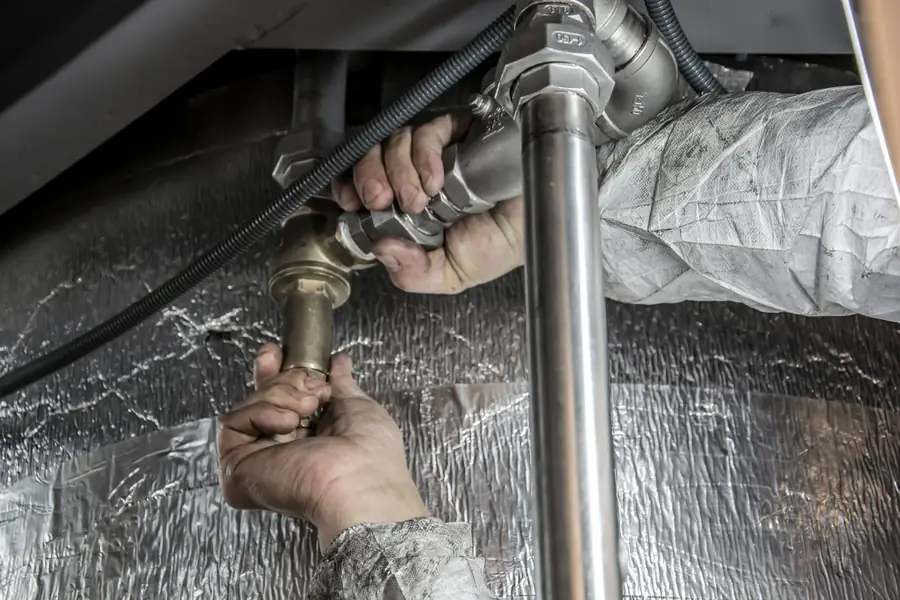
What we can help with
Most calls start with water on the floor. Where it came from, and how long it sat there, decides what the house needs next.
Water damage restoration
Getting the water out, drying the walls and floors with meters to prove it, then putting the room back.
Slab leaks
A warm spot in the floor or a meter that never stops. Finding the leak under the concrete and drying what it soaked.
Burst and frozen pipes
Split supply lines, attic and crawl space breaks, and what to do before the next hard freeze.

Mold remediation
Mold after a leak, the Texas 25 square foot rule, and why the tester and the remover have to be different companies.

Insurance claims
What TDI says a Texas homeowners policy usually covers and the deadlines your insurer has to meet.
Areas we cover
Oak Cliff, East Dallas, Lake Highlands, North Dallas and the rest of the city.
Two kinds of Dallas houses, two kinds of leaks
Before anyone quotes a drying job, they should know what your house sits on. In Dallas that is usually one of two things.
Pier and beam
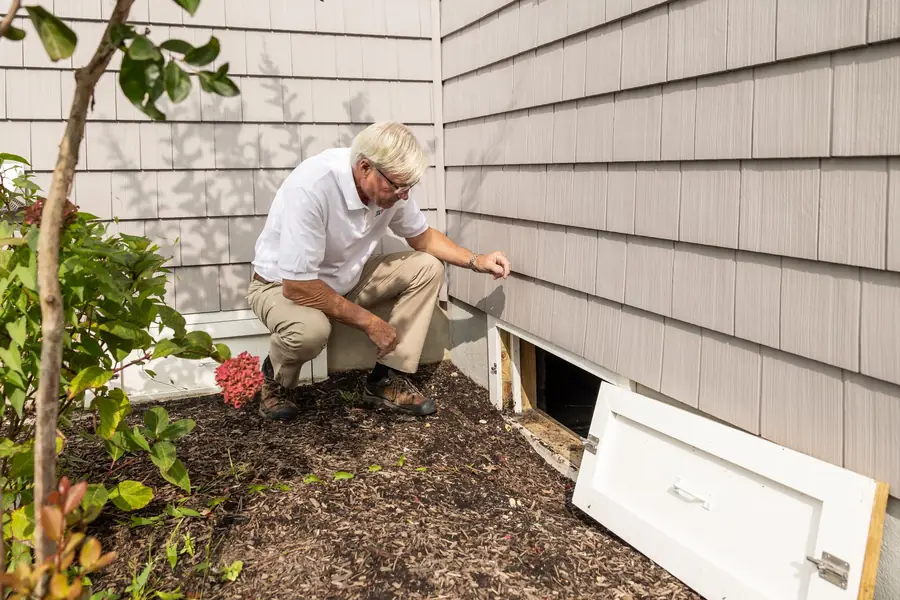
Some of the older houses in Oak Cliff and East Dallas are raised off the ground with a crawl space underneath, and the pipes run down there. When one breaks, water lands on the dirt under the house, soaks the subfloor and joists, and can sit there unnoticed.
Drying one of these means getting under the house, not just running fans in the rooms above. You can usually spot this type by the vents along the bottom of the outside walls.
Slab on grade
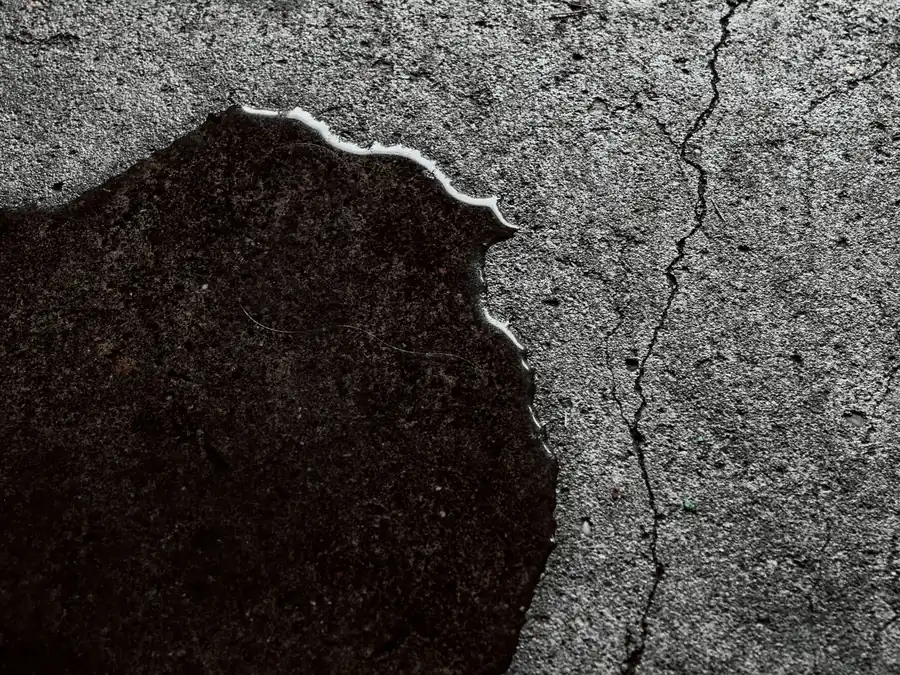
Many newer Dallas houses sit on a concrete slab with the water and drain lines in or under it. A leak there wets the floor from below. You may notice a warm patch, a cupped board or a carpet that stays damp no matter what.
The ground here makes it worse. Dallas sits in the Blackland Prairie, where the USDA describes black clay soils with very high shrink and swell: they crack when they dry out and swell when they get wet. More on that on the slab leaks page.
The first hour after you find water
Shut off the water
Use the valve at the fixture if you can reach it, or the main shutoff for the house. If you can't find either, look in the water meter box for a shutoff, or ask a plumber to show you.
Stay clear of wet electrical
Keep out of standing water near outlets, cords or appliances. Only flip breakers if you can reach the panel from a dry spot. Keep people and pets out from under a sagging ceiling.
Take photos and video
Get wide shots of each room and close ups of the source and the damage before anything moves. TDI also says not to throw anything away until your adjuster tells you to.
Call your insurer, then get drying started
Write down the claim number. TDI says to make temporary repairs to prevent more damage and remove standing water, but not to make permanent repairs until the adjuster has seen the damage.
Sources: TDI, help after a storm, EPA mold and moisture guide. Checked .
Dallas pipes and the February 2021 freeze
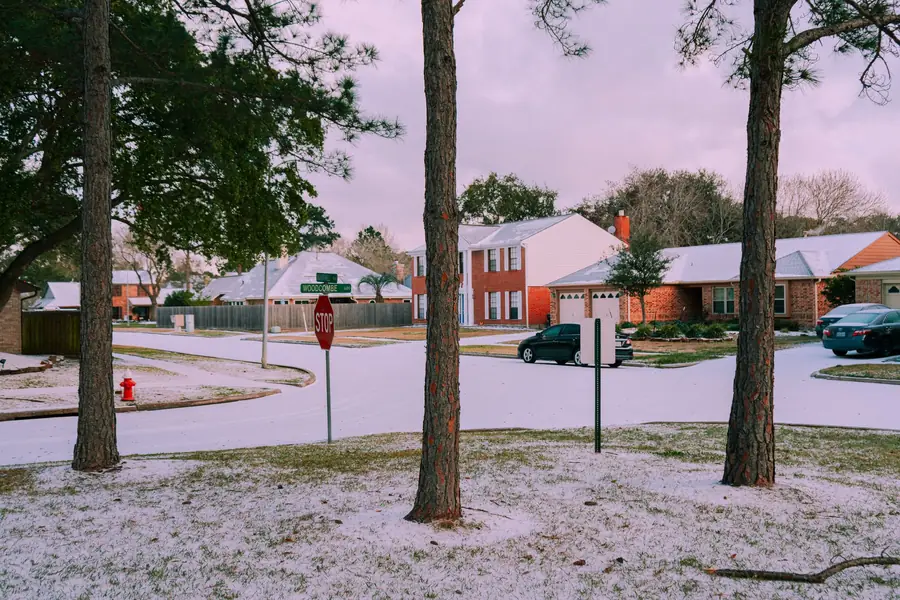
Some Dallas houses have water lines in attics, outside walls and crawl spaces, where a long freeze reaches them. The National Weather Service office in Fort Worth recorded a low of minus 2 degrees at DFW Airport on February 16, 2021, and 139 hours in a row at or below freezing from February 13 to February 19.
A University of Houston survey cited by the Texas Comptroller found that 31 percent of Texans had water damage to their homes from that storm.
How to protect your pipes before the next freeze
Sources: NWS Fort Worth, February 2021 winter event, Texas Comptroller, Winter Storm Uri 2021. Checked .
What it tends to cost, and who pays
Nobody can price a job honestly until someone has measured the water. HomeAdvisor's 2025 national figures, based on costs its customers reported, give you a starting point: the average water damage restoration job ran about $3,868, and most homeowners spent between $1,383 and $6,369. Dirty water costs more per square foot to clean up.
If the damage was sudden, like a burst pipe, TDI says most homeowner policies cover it, less your deductible. Texas law also puts your insurer on a clock: 15 days to acknowledge the claim and start investigating.
| Type of water | Average per sq ft |
|---|---|
| Clean (supply line, frozen pipe) | $3.50 |
| Gray (washer or dishwasher overflow) | $5.25 |
| Black (sewer backup, flood water) | $7.50 |
Sources: HomeAdvisor cost guide, TDI, water damage and mold coverage, Texas Insurance Code ch. 542. Checked .
Where in Dallas we help
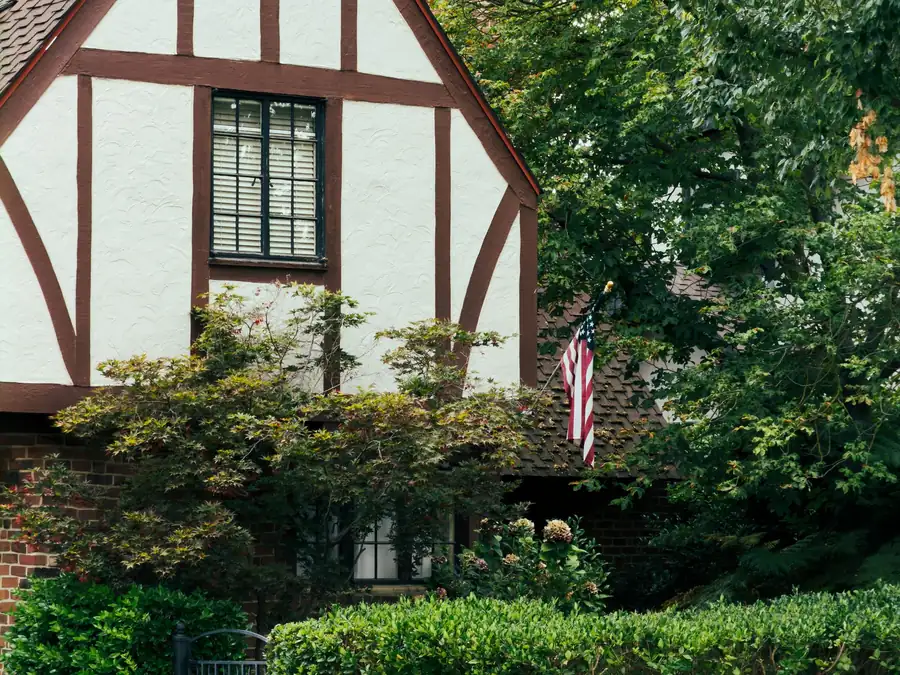
We take requests from anywhere in the City of Dallas. The houses aren't all the same, so the leaks aren't either. A 1920s Tudor in the M Streets may have old pipes under a raised floor. A brick ranch in Lake Highlands likely has its plumbing in the slab. A big new build in Preston Hollow might have a water heater in the attic.
Questions Dallas homeowners ask
How soon does a wet house need to be dried?
The EPA says to dry water damaged areas and items within 24 to 48 hours to prevent mold growth. That is why it pays to get extraction and drying equipment going the same day the leak is found, even before the adjuster comes out.
Will my homeowners insurance pay for water damage in Texas?
Often it will, if the water came from something sudden. The Texas Department of Insurance says most homeowner and renters policies cover sudden and accidental water damage, like a burst pipe, a toilet overflow or a broken washer hose. Policies usually won't pay for damage from gradual leaks or seepage.
I have a slab house. How would I know if a pipe is leaking under it?
The usual clues are a warm spot on tile or wood, the sound of water running when everything is off, a water bill that keeps climbing, and damp carpet or baseboards with no leak in sight. Turning everything off and watching the water meter is a good first test. The slab leak page walks through it.
Do I call a plumber or a restoration company?
Usually both. The plumber stops the leak and repairs the pipe. The restoration company dries the house and handles the wet drywall, flooring and cabinets. If water is still coming out and you can't shut it off, the plumber comes first.
What happens after I send a call back request?
We call you back at the number you gave to talk about your job: where the water came from, which rooms got wet, and whether you have called your insurer yet. If you already took photos or have a claim number, keep them handy. If it sounds like a job for a restoration company, we try to put you in touch with one that works in Dallas. We don't do the drying ourselves.
Is this a 24 hour emergency line?
No. This is a call back form, not an emergency line, and we return requests as soon as we can. If water is still running and you can't stop it, close the main shutoff and call a plumber now.
Water where it should not be?
Close the main shutoff first, then send us a call back request. The EPA says to dry wet areas within 24 to 48 hours to prevent mold.